

At a Glance
-
Real cultural immersion in France comes from the right timing, small groups, and locals who can open doors.
-
The best wine tours focus on meeting winemakers at quiet estates; avoid tours that won’t name who you’ll visit.
-
Strong food experiences include markets, producers, and meals in real kitchens or traditional bouchons.
-
Hands-on workshops (ceramics, perfume, silk) and specialist-led architecture/art visits offer deeper access than big-group tours.

Most cultural immersion experiences in France look the same on paper. A guided walk through a cathedral. A wine tasting in a cellar. A cooking class where you learn to fold pâte brisée. The difference between a forgettable afternoon and something that changes how you see a place comes down to who opens the door for you and when.
Go to the 7 a.m. Mass at Sacré-Cœur. You might see ten locals, and the city below the hill stays quiet. Show up later, and Paris feels crowded. It works the same way in Provence, Bordeaux, the Loire Valley, and Burgundy. Get the timing right. Lock in access. Use the right local contact. That’s the difference between a standard art-and-culture tour and one that feels like you’re inside the place.
What follows is a practical breakdown of what to expect from cultural immersion in France, which types of tours deliver on their promises, and what details to look for before you commit.
Wine Tasting Tours in France Built Around the Winemaker, Not the Brand
Wine tasting tours in France are everywhere. The ones worth your time put you in front of the person who made the wine, in the room where it aged, and when nobody else is there.
In Burgundy, some family-owned domaines welcome small private groups for tastings by appointment. Group sizes and visit lengths vary by estate. These visits feel different than a standard cellar tour. You taste barrel samples, and you won’t be handed finished bottles in a retail shop. The winemaker walks you through decisions on specific parcels, and you can smell the damp limestone of a 15th-century cave while you listen.
In Bordeaux, the better wine tasting tours in France skip the grand châteaux gift shops entirely. A private visit to a smaller estate in Saint-Émilion, arranged through a local contact, typically includes a walk through the vineyards followed by a comparative tasting of three to five vintages. The harvest season, late September through mid-October, is the most interesting time to visit because you’ll see the operation in motion.
The worst wine tours treat tasting as a transaction. The best ones treat it as a conversation. If the tour doesn’t name the specific estate or winemaker in advance, that’s a red flag.

French Gastronomy Experiences That Go Beyond the Cooking Class
French gastronomy experiences are the second most requested category after wine, and the range in quality is enormous. A two-hour class where you make macarons in a rented kitchen is fine. But it’s not cultural immersion.
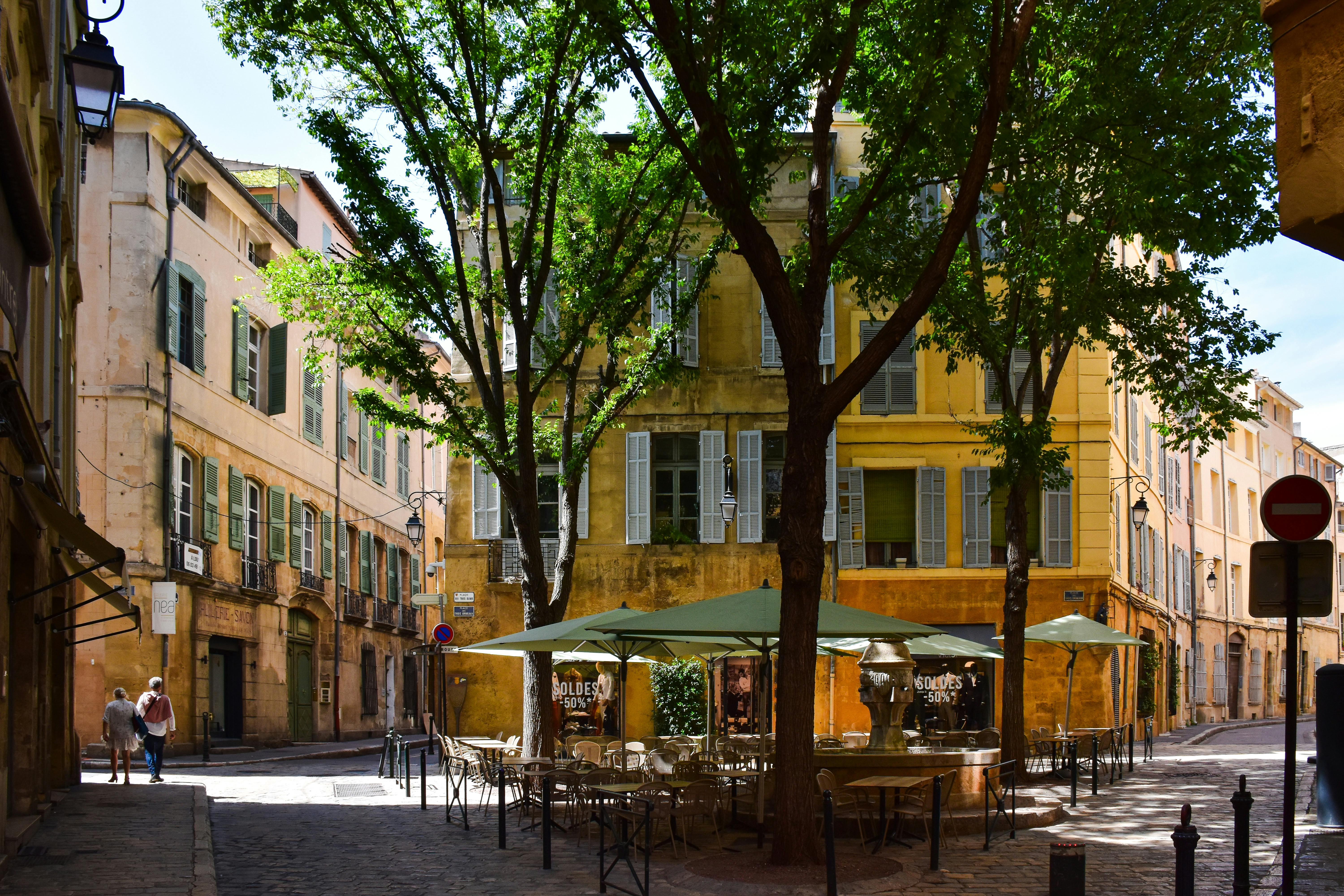
The experiences that deliver genuine depth involve markets, producers, and meals that happen in someone’s home or workspace. In Aix-en-Provence, Place Richelme’s daily food market runs from around 8 a.m. to 1 p.m., with stalls selling seasonal produce, cheeses, olive oil, and other regional foods.
Private cooking experiences can pair a market visit with a hands-on lesson and lunch, though the host, kitchen location, and duration depend on the booking.
Lyon, which holds the unofficial title of France’s gastronomic capital, offers a different kind of French gastronomy experience. The city’s bouchon tradition, small family-run restaurants serving regional dishes like quenelles de brochet and tablier de sapeur, is best experienced with a local who knows which bouchons are still family-operated and which have become tourist-facing replicas. There are roughly 20 certified bouchons in Lyon. A guided food walk that covers three of them in an evening, with context about each dish’s origins, is one of the best cultural experiences in Provence’s neighboring region.
One could argue that the gastronomy angle is the single fastest way to understand a French region’s identity. Food is where history, agriculture, and daily life overlap most visibly.
Cultural Workshops in France: Hands-On Access to Living Traditions
Cultural workshops in France cover a broad category, and the best ones connect you to a craft or practice that’s still alive in the community.
In Provence, Apt’s faïence tradition dates to the 18th century. Its characteristic marbled patterns come from terres mêlées, differently colored clays combined so that the design runs through the piece, then finished with a transparent glaze. The craft has historical ties to the region’s clay and ochre deposits, and workshops in and around Apt continue to practice it today.
In Grasse, perfume workshops give visitors a hands-on introduction to a craft with local roots reaching back to the Renaissance. Some private sessions last about two hours, with an in-house perfumer guiding you through the selection and blending of fragrance essences to create your own scent. Established houses offer private appointments and group workshops, so book the format and instructor you want in advance.
Cultural workshops in France also extend to textile arts in Lyon, where the city’s silk-weaving industry took root in the 16th century. In the Croix-Rousse district, preserved weaving workshops offer demonstrations on historic Jacquard looms, with private visits available by advance reservation.

Architectural Tours and Visits in France: Reading a City Through Its Buildings
Architectural tours and visits in France tend to attract a specific kind of traveler, one who wants to understand why a place looks the way it does, not just admire it. The best versions pair a trained architect or architectural historian with a focused walking route.
In Paris, a walk through the Marais covers roughly 600 years of construction in a few kilometers. You’ll move from medieval timber-frame houses on Rue François Miron to 17th-century hôtels particuliers on Place des Vosges to the contemporary glass-and-steel intervention of the Centre Pompidou. A guide with architectural training will point out details, like the shift from load-bearing stone walls to iron-frame construction, that a general history tour would skip entirely.
Beyond Paris, the Loire Valley offers a concentration of Renaissance châteaux to explore over several days. Construction of Château de Chambord began in 1519 under Francis I and continued under later monarchs. Its double-helix staircase, associated with Leonardo da Vinci’s influence, lets visitors climb two intertwined flights without crossing paths. Private guided visits are available, but access outside the standard visitor route should be confirmed with the château or tour provider before booking.
Architectural tours in Normandy can connect the Romanesque and Gothic architecture of Mont-Saint-Michel with Auguste Perret’s concrete reconstruction of central Le Havre, a UNESCO World Heritage site since 2005. Together, they offer a way to explore medieval religious life and the ambitions of postwar rebuilding through the buildings each period left behind.
What to Expect From Cultural Immersion in France: Practical Details
Knowing what to expect from cultural immersion in France before you arrive saves time and sets realistic expectations. Here’s what separates a well-planned trip from a frustrating one.
Group size matters more than price. A workshop or tour with four to eight participants gives you direct interaction with the host. Anything above 15 people becomes a lecture, not an experience. Ask the operator for the maximum group size before booking.
Seasonal timing changes everything. The top immersive experiences in Aix-en-Provence run best between April and mid-June or September through October. July and August bring heat and crowds that fundamentally alter the atmosphere. Burgundy’s wine country is most interesting during the late September harvest. Paris is at its most walkable in May and October.
Language access varies. Most cultural workshops in France outside Paris operate primarily in French. Private tours with English-speaking specialists are available but require advance arrangement. A travel advisor with direct local contacts can match you with the right guide for your language and interests.
Detail | Standard Tour | Bespoke Cultural Access |
|---|---|---|
Group size | 15–30 people | 2–8 people |
Guide background | General history | Subject-matter specialist |
Timing | Fixed schedule, peak hours | Early morning or private hours |
Access | Public areas only | Private rooms, workshops, estates |
Pace | Rigid itinerary | Built-in free time, self-directed afternoons |
Art and Culture Tours in France That Reward Repeat Visitors
Art and culture tours in France don’t have to follow the Louvre-Musée d’Orsay-Versailles circuit. For travelers who’ve already done the major institutions, the real depth lives in smaller collections and private spaces.
The Fondation Maeght in Saint-Paul-de-Vence, about 35 minutes by car from Nice, holds a major collection of modern and contemporary art, including works by Miró, Giacometti, Chagall, and Calder. Architect Josep Lluís Sert worked with the artists to integrate their work into the building and grounds. Outside, sculptures stand among Mediterranean pines, with Miró’s labyrinth and the Giacometti courtyard giving visitors as much reason to linger as the indoor galleries.
In Paris, the Musée Jacquemart-André on Boulevard Haussmann occupies a historic private mansion and houses Italian Renaissance paintings by Botticelli, Mantegna, and Bellini. Private viewings outside normal opening hours can be arranged, with access to the first-floor Renaissance collection available by prior agreement. The rooms, including duration and group size, should be confirmed when booking.
Art and culture tours in France also extend to street art in Marseille’s Cours Julien neighborhood, where a guided walk of around two hours explores murals, painted staircases, and smaller works tucked into the surrounding streets. It’s a different register entirely from the classical collections, and it might be the most interesting two hours you spend in the city.
The best cultural experiences in Provence and across France share one quality: they’re built around a specific person’s knowledge and a specific place’s character, not a checklist of attractions. If your tour operator can name the guide and the venue before you book, you’re probably in good hands.
A well-structured travel package that prioritizes access over coverage will consistently deliver more than one that tries to fit every region into ten days. And if you’re planning your first deep cultural trip to France, working with an advisor who knows the local operators personally is the single most effective shortcut to the kind of access described here.

Frequently Asked Questions
What to expect from cultural immersion in France when booking a tour?
Cultural immersion experiences in France work best when they are small, timed well, and led by a specialist with direct local access. Expect four to eight participants, early or private hours, and experiences that prioritize private rooms, workshops, estates, or homes over crowded public circuits.
Which wine tasting tours in France feel most authentic?
The most authentic wine tasting tours in France put you in front of the winemaker, not a retail-style tasting room. In Burgundy and Saint-Émilion, the strongest visits involve small private groups, barrel samples or vintage comparisons, and advance naming of the specific estate or producer.
What are the top immersive experiences in Aix-en-Provence for food lovers?
The top immersive experiences in Aix-en-Provence combine the Marché des Producteurs on Place Richelme with a local food historian and a private kitchen session nearby. Arriving before 8:30 a.m. on Tuesday, Thursday, or Saturday gives you the best access and avoids the midday crowds.
Are cultural workshops in France worth prioritizing over standard sightseeing?
Cultural workshops in France are worth prioritizing when you want hands-on access to a living tradition rather than a museum-style demonstration. Apt ceramics, Grasse perfume blending, and Lyon silk-weaving demonstrations all offer direct contact with working artisans and the techniques that define each place.
What are the best cultural experiences in Provence for repeat visitors?
The best cultural experiences in Provence for repeat visitors are the ones that go beyond standard sightseeing and into private or specialist access. In practice, that means small-group food walks, working ateliers, heritage sites, and tours built around a specific guide’s knowledge of the region.
Raoul Didisheim
Last updated at: October 23, 2026
 Powered by TypeHero