
At a Glance
-
Paris has 20 arrondissements; pick based on your trip style, walkability, and nighttime vibe.
-
1st/2nd: best for museums and central sights; 2nd adds market-street food culture.
-
6th (Saint-Germain): romantic, walk-everywhere feel; pricey, smaller rooms.
-
Le Marais (3rd/4th): shops, local culture, and late-night energy; a popular shopping day.
-
7th can be quieter; near the Eiffel Tower; 18th (Montmartre) is artsy, less convenient; 5th suits families.
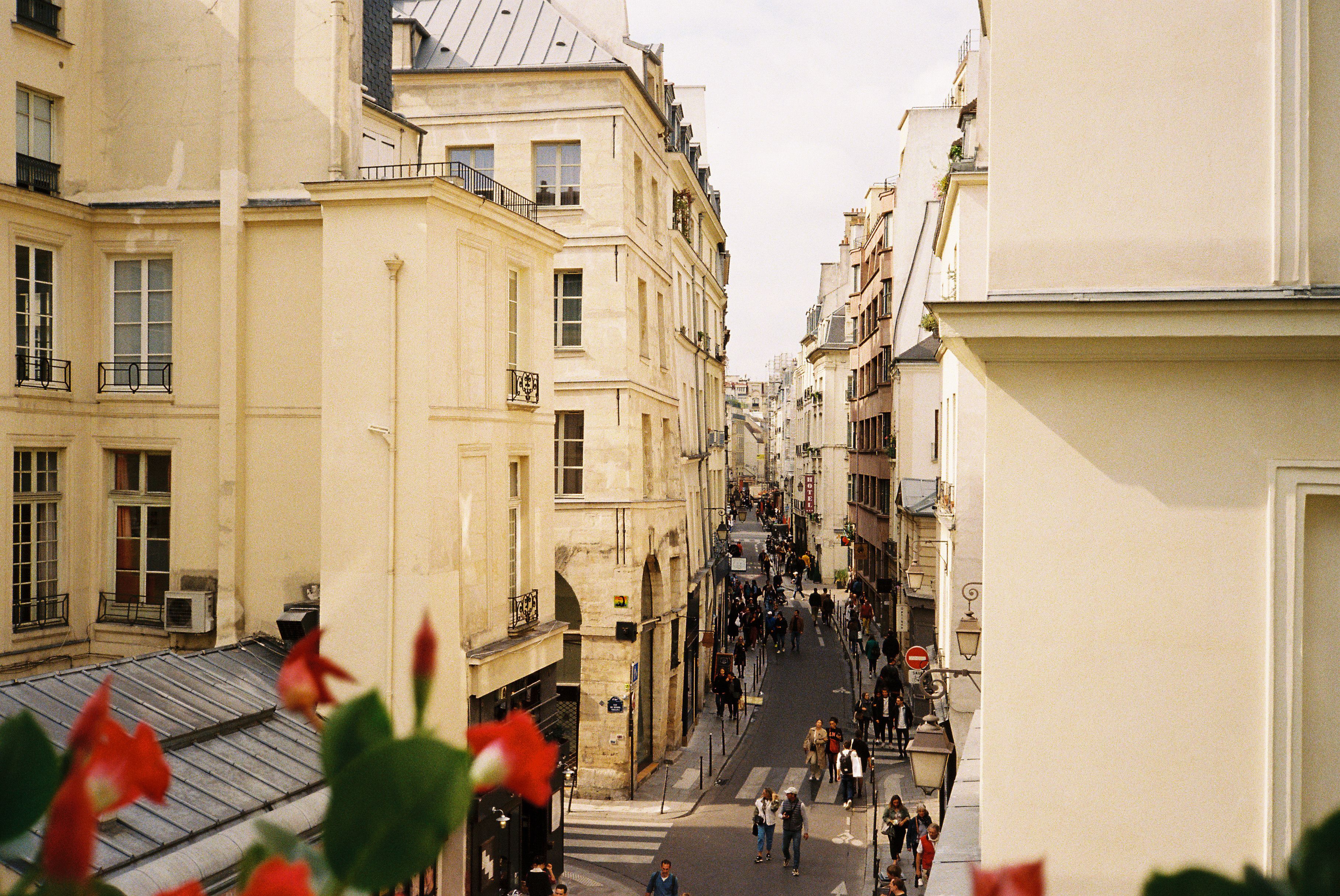
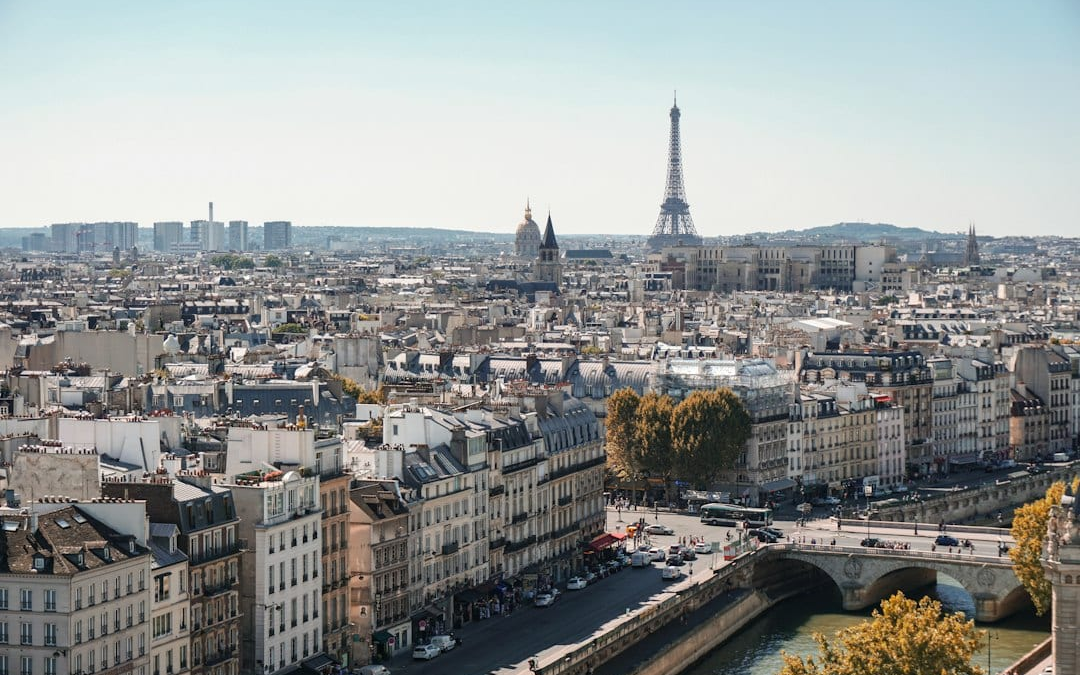
The 1st arrondissement and the 6th are nearby, but they’re different cities. One smells like fresh croissants, while the other smells like old bookshops and espresso on the Rue de Seine. Choosing the best neighborhoods to stay in Paris begins with deciding what kind of trip you want, then matching that to a few specific streets. Paris is organized into 20 arrondissements, spiraling outward from the center like a snail shell. Each one has a distinct personality, a different pace, and a different crowd at the corner café. Get this decision right, and the whole trip falls into place. Get it wrong, and you’ll spend too much time in taxis, eating at the wrong restaurants, wondering why the city feels flat.
This guide breaks down Paris by what’s essential. Proximity to the things you care about, the feel of the streets at night, and whether the local experiences in Paris around your hotel match the trip you’re imagining. Solay Travel builds itineraries around neighborhood-level detail like this, because the hotel address shapes everything else.
The 1st and 2nd Arrondissements: Best Places to Stay in Paris for Museums
The 1st arrondissement puts you close to the Louvre, the Tuileries Gardens, and the Palais Royal. For travelers whose trip revolves around art, architecture, and history, no other location in Paris competes on proximity. The Musée de l’Orangerie sits at the western end of the Tuileries Garden, about a 15-minute walk from the Louvre’s Pyramid entrance, and the Musée des Arts Décoratifs occupies the same complex.
The 1st arrondissement has grand hotels such as Le Meurice, on Rue de Rivoli opposite the Tuileries, along with smaller properties around the Palais-Royal. The Grand Hôtel du Palais Royal, on Rue de Valois, puts you close to the garden, which opens at 8 a.m. for an early walk.
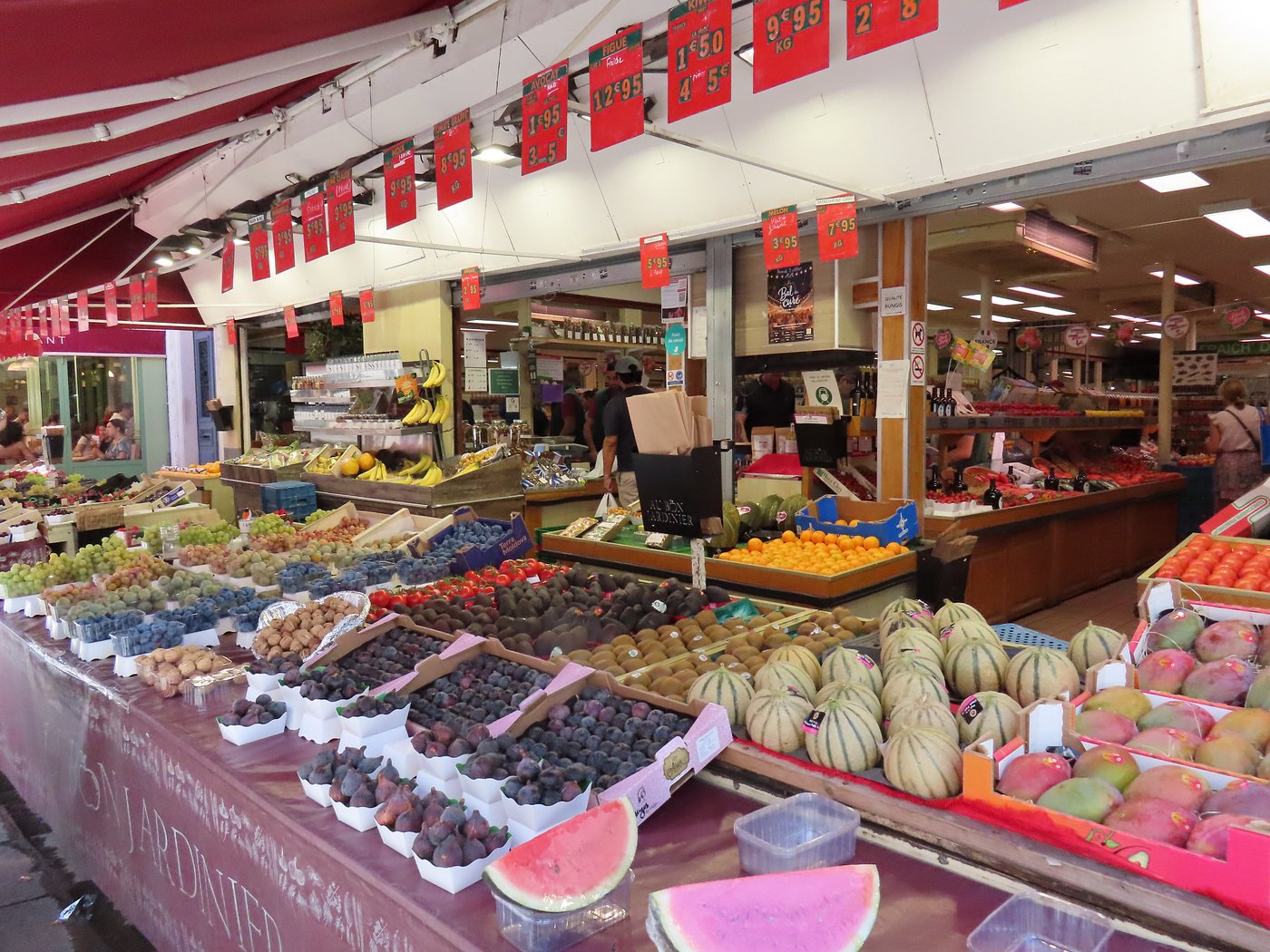
The 2nd arrondissement, just north of the 1st, is a strong pick for food lovers. Rue Montorgueil, which straddles the two districts, is a pedestrian market street lined with fishmongers, cheese shops, bakeries, and produce sellers. You can start the morning buying fruit and end the day on nearby Rue du Nil, with dinner at Frenchie or its wine bar across the street.
Skip the major chain hotels here and look at smaller properties on side streets. You’ll still be in a central location, with more neighborhood character and a hotel that feels connected to the place you’re visiting.

Saint-Germain-des-Prés and the 6th: Where to Stay for a Romantic Getaway
Saint-Germain-des-Prés, in the 6th arrondissement, is where to stay in Paris for a romantic getaway if you want to explore much of central Paris on foot and eat well without a plan. The neighborhood sits on the Left Bank between the Luxembourg Gardens and the Seine, roughly a 20-minute walk from Notre-Dame and 25 minutes from the Musée d’Orsay.
The streets here are narrow, lined with galleries, independent bookshops, and restaurants that have been serving the same dishes for decades. Café de Flore and Les Deux Magots anchor the main intersection, but the better meals are a block or two off the boulevard.
For couples, the appeal is the density of things to do on foot without ever needing a map. You’ll stumble into a courtyard, find a wine bar, and walk along Rue de Buci’s evening market. The Luxembourg Gardens are a five-minute walk south, and on a clear afternoon the light through the chestnut trees is the kind of thing you’ll always remember.
Many hotels in Paris’s 6th arrondissement are small boutique properties, and rooms can feel compact by American standards. Saint-Germain-des-Prés is an expensive place to stay, so check the room’s actual dimensions before booking. The address is a big part of the appeal, with cafés, shops, and the Luxembourg Gardens close at hand. Expect to pay extra if you want more space.
Solay Travel’s hotel partners include several Left Bank properties where room selection matters as much as the hotel itself. A courtyard-facing room on the third floor is different than a street-facing room on the first.

Le Marais and the 3rd and 4th: Nightlife and Local Experiences in Paris
Le Marais spans the 3rd and 4th arrondissements on the Right Bank and is the neighborhood that most first-time visitors to Paris fall in love with. The area has a concentration of independent shops, galleries, and late-night bars within a walkable radius of about 1.5 kilometers.
For nightlife, head to the Marais, where Rue des Archives and Rue Vieille du Temple have lively evening bars, some open past midnight. Sunday is also a popular time to explore, with many shops open and plenty of people browsing boutiques and stopping for food around Rue des Rosiers. For a food market, head to the covered Marché des Enfants Rouges on Rue de Bretagne.
Place des Vosges itself is the oldest planned square in Paris, completed in 1612, and it’s one of the few places in the city where you can sit on the grass year round. The Musée Picasso is a seven-minute walk north. The Centre Pompidou, closed for renovation until 2030, sits at the western edge of the 4th. During the closure, its programming continues at other venues.
The local experiences that Le Marais offers are harder to replicate elsewhere: falafel from L’As du Fallafel on Rue des Rosiers, browsing the vintage shops on Rue de Turenne, or finding a courtyard café that appears on few lists. If you’re the kind of traveler who wants to wander without a fixed plan and still end up somewhere good, this is the neighborhood.
Accommodations here range from converted hôtels particuliers, the old aristocratic mansions, to modern-design hotels. Rooms can be quirky, with uneven floors and low ceilings. That’s the charm.

The 7th Arrondissement: Quiet Elegance Near the Eiffel Tower
The 7th is residential is quiet, with wide, clean streets lined with cream-colored Haussmann buildings. The Eiffel Tower stands at the western edge of the neighborhood’s center around Rue Cler.
Rue Cler is the detail many visitors miss. It’s a pedestrian market street with fromageries, wine shops, a florist, and a chocolatier. On a Saturday morning, the street fills with locals carrying canvas bags. The texture of the stone under your feet, the sound of a shopkeeper calling out prices, and the cool air from an open cellar door. This is the 7th at its best.
The Musée d’Orsay sits at the northeastern corner of the arrondissement, and the Musée Rodin, with its sculpture garden, is a 10-minute walk south. The 7th is for travelers who want proximity to major sights but a neighborhood that empties out at 9 p.m.
Note that dining options thin out after dark. The best restaurants are mostly in other arrondissements. You’ll need to cross the river for serious nightlife in Paris neighborhoods. If your idea of a good evening is a quiet bottle of wine at a corner table followed by a walk along the Seine with the Eiffel Tower lit up ahead, this is your place.
Solay Travel’s vacation packages can pair a 7th arrondissement hotel with private guided access to the Musée d’Orsay’s Impressionist collection before public opening hours.
Montmartre and the 18th: For Travelers Who Want Character Over Convenience
Montmartre rises to about 130 meters above sea level in the 18th arrondissement. The Rue Foyatier staircase beside the funicular has 222 steps, taking you uphill toward Sacré-Cœur. From the terrace outside the basilica, Paris stretches out below. Go early on a Sunday morning for the chance to enjoy the view with fewer people around.
This is not the most convenient neighborhood. The Métro stations, Abbesses and Anvers, connect you to central Paris in about 20 minutes, but the hilly terrain and narrow streets make it feel more like a village than a capital. Artists lived here for a reason. The light shifts differently on the hill, catching the white stone of the basilica and the zinc rooftops of the houses below.
For first-time visitors to Paris who want something other than the classic Left Bank or Marais experience, Montmartre is the contrarian pick. The best places to stay in Paris for food lovers include this neighborhood: Rue Lepic has a strong concentration of bakeries, wine bars, and restaurants that cater to locals. The farther you walk from Place du Tertre, the more authentic the food gets.
Hotels in Paris’s 18th arrondissement often cost less than comparable properties in the 1st or 6th. Montmartre can offer good value, particularly if you stay near a Métro station, though you’ll generally spend more time getting to sights elsewhere in the city.
Montmartre could be better for a second or third visit to Paris, when you’ve already done the major museums and want to slow down.

How to Choose the Best Arrondissement in Paris: A Practical Comparison
Choosing the right arrondissement depends on four things: what you want to do, how you want to eat, how much you’re willing to walk, and what the streets feel like after dark. Here’s how the main neighborhoods compare across those dimensions.
Arrondissement | Best For | Timing to Major Sights | Evening Energy | Price Range |
|---|---|---|---|---|
1st | Museums, central location | 5–10 min to Louvre, Tuileries | Moderate | High |
6th (Saint-Germain) | Romance, food, galleries | 20 min to Notre-Dame, 25 min to Orsay | Warm, café-driven | Very High |
3rd/4th (Le Marais) | Nightlife, shopping, local culture | 10 min to Pompidou, 15 min to Notre-Dame | High | High |
7th | Quiet elegance, Eiffel Tower | 15 min to Eiffel Tower, 10 min to Orsay | Low | High |
18th (Montmartre) | Character, village feel, budget | 20 min Métro to center | Moderate, local | Moderate |
A few things the table doesn’t capture. The 6th is a great neighborhood for aimless walking. Le Marais is the best for Sunday. In the 7th, you can sleep with your windows open. And the 1st is when your trip is short, and you want to maximize time inside museums.
Working with a Solay Travel advisor means someone who knows these neighborhoods at the street level helps you narrow the options to two or three hotels that fit your trip.

Family-Friendly Areas in Paris: The 5th and Beyond
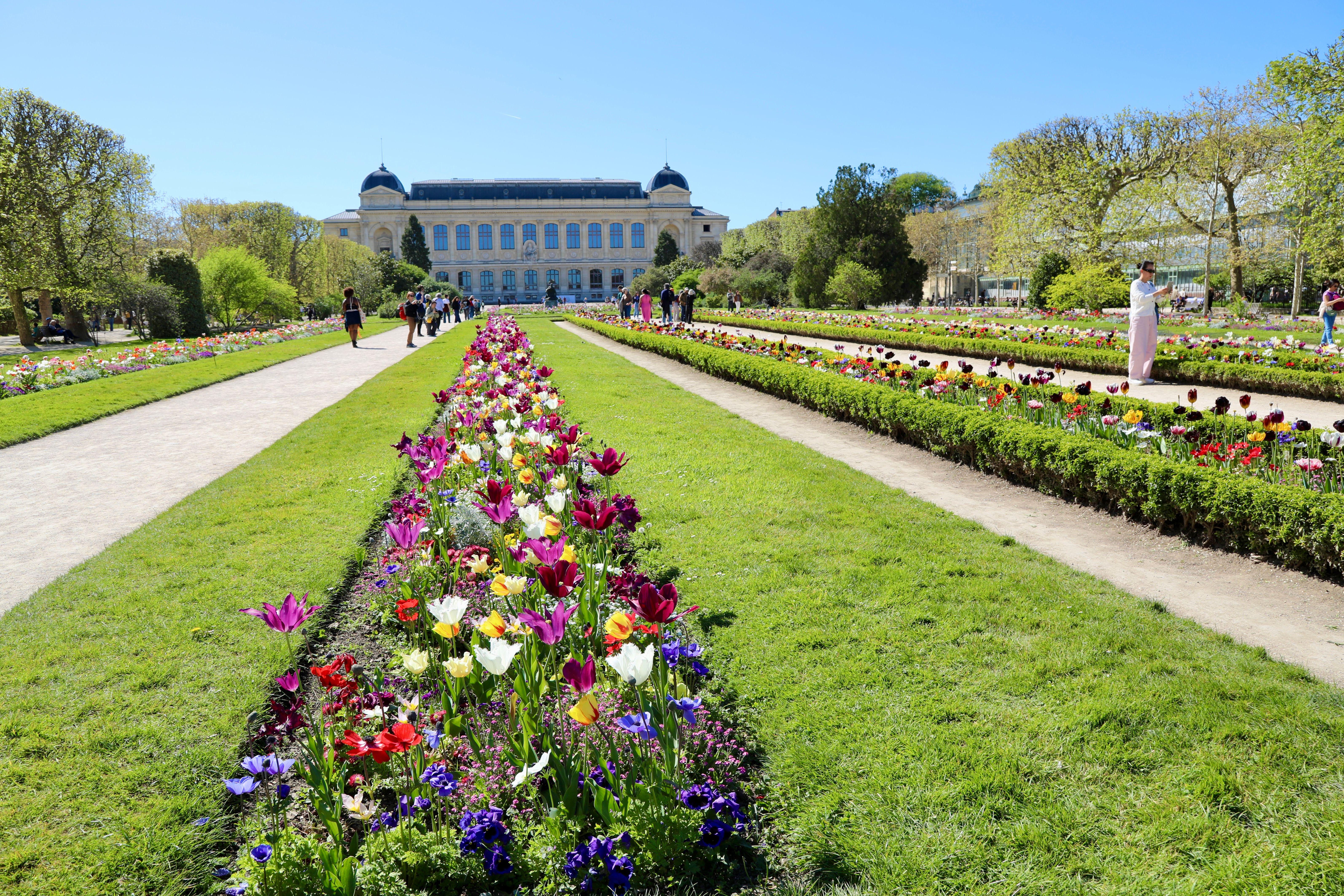
Paris’s 5th arrondissement is a strong choice for families, particularly around the Jardin des Plantes. This roughly 24-hectare botanical garden brings together the Ménagerie, a small zoo, and the Grande Galerie de l’Évolution, part of France’s national natural history museum. Families can combine time outdoors with animal exhibits and natural history displays, though most lawns are off-limits.
The streets around the Panthéon and Rue Mouffetard have a relaxed, student-quarter energy. Rue Mouffetard’s food shops and stalls sell crêpes, rotisserie chicken, and fresh produce, and the narrow side streets invite a little exploring with kids. From Rue Mouffetard, allow roughly 20 minutes to walk to Notre-Dame and 15 minutes to the Luxembourg Gardens, depending on where you start.
For families with older children or teenagers, Le Marais works well too. The falafel shops and the Sunday markets give everyone something to do.
Family-friendly areas in Paris tend to share a few traits: proximity to parks, walkable restaurant options that don’t require reservations, and a pace that allows for midday breaks. The 5th has all three. The 16th, near the Trocadéro, is another option if you want wide sidewalks and proximity to the Eiffel Tower, but it lacks the street-level energy of the Left Bank.
Solay Travel arranges private family tours designed around age and interest.
Seasonal Timing and Neighborhood Feel
Paris changes with the seasons, and so do its neighborhoods. The best time to visit depends partly on where you’re staying.
Spring, from late March through May, is when the 6th and 7th arrondissements are at their peak. The Luxembourg Gardens and the Tuileries fill with blossoms, and outdoor café seating returns. Average highs reach about 16°C (61°F) in April. The light is soft, and the days are long enough for evening walks along the Seine.
Summer brings crowds to Paris’s major sights, particularly in July and August. Don’t count on Montmartre emptying out in the evening: the views from Sacré-Cœur draw visitors late into the day. Paris Plages adds loungers, parasols, and free summer activities along the Seine and at the Bassin de la Villette, generally during July and August. Check the dates for your travel year.
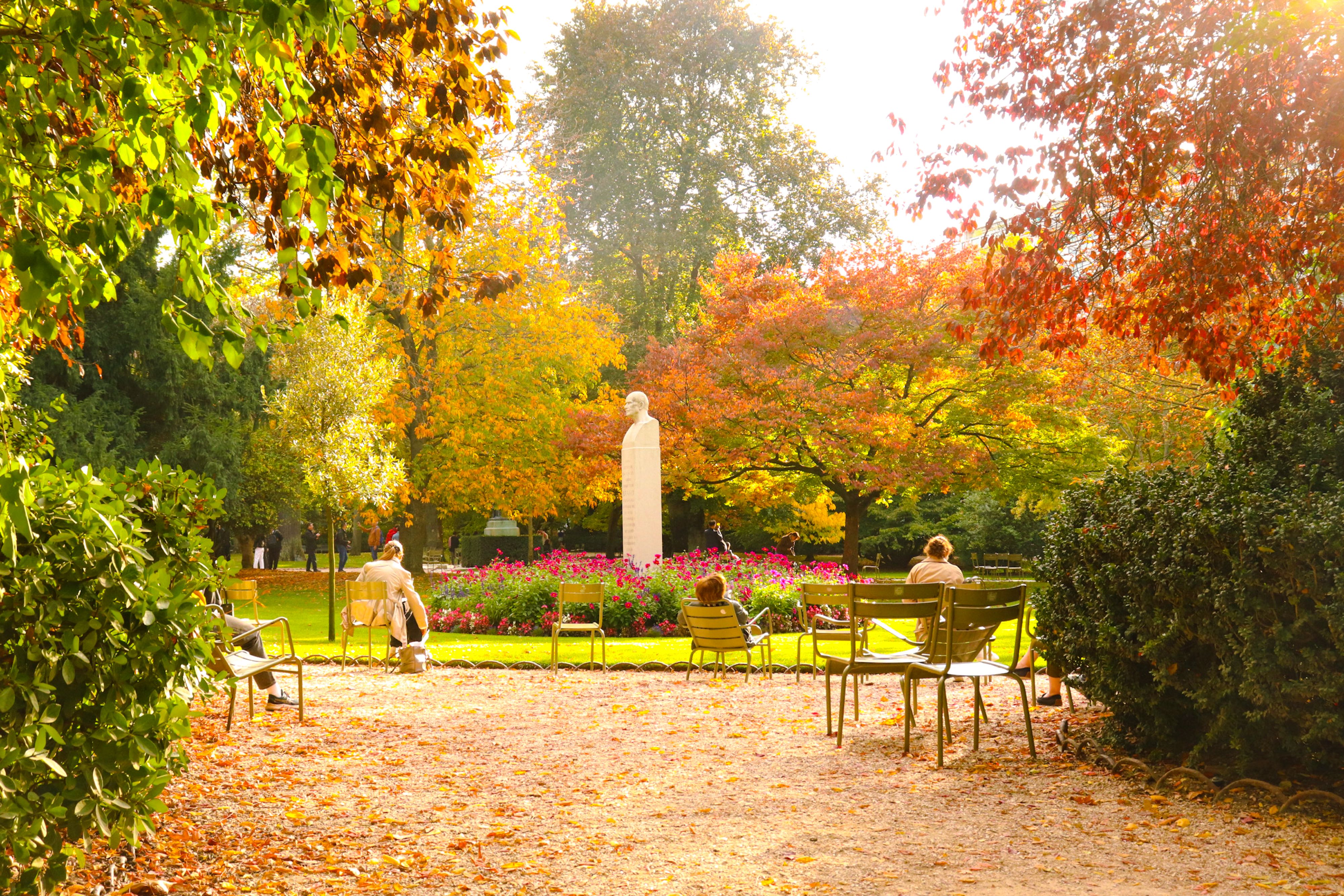
Autumn brings Paris back into its everyday rhythm as residents return from the summer holidays and the cultural season gets underway. Cooler weather makes September and October appealing for exploring on foot, and roasted chestnut vendors add a seasonal touch. It’s a good time for a first visit, though Fashion Week and major trade shows can keep the city busy and hotel rates high.
Winter has its own appeal. Christmas markets appear across Paris, including one on Quai Jacques Chirac in the 7th arrondissement, beneath the Eiffel Tower. After dark, the tower sparkles for five minutes on the hour, with the final winter display at midnight.
Practical Notes on Getting Around
The Paris Métro has 16 lines and more than 300 stations, and most central neighborhoods put you a short walk from a stop. A reloadable Navigo Easy card lets you carry tickets electronically, without handling paper.
Choose a neighborhood close to the places you most want to explore, and you can build much of your trip around walking. The Louvre to Saint-Germain-des-Prés, crossing the Pont des Arts, takes about 20 minutes, depending on where you start and finish. Leave time for stops along the way.
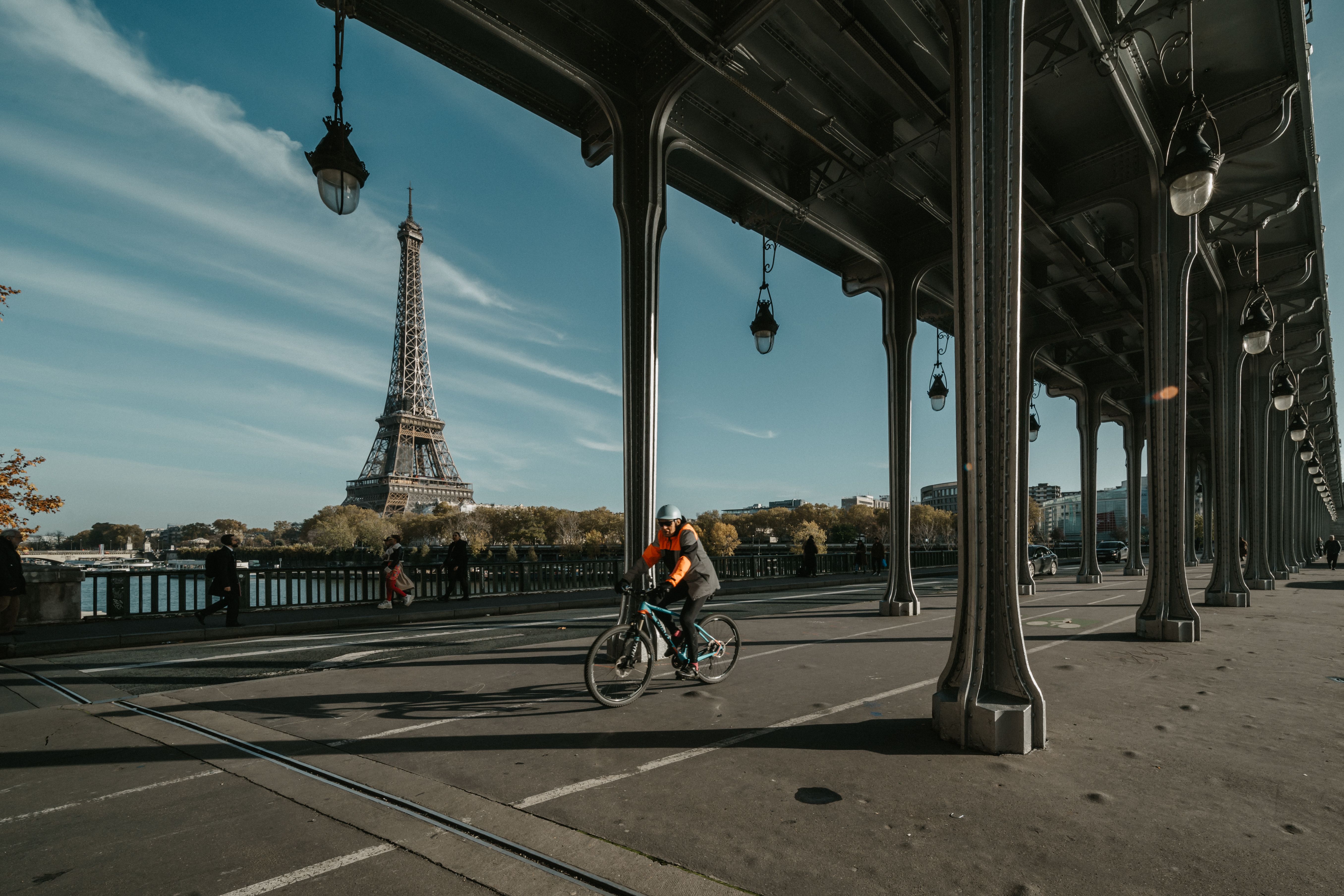
For rides across town, compare taxi and app-based fares rather than assuming Uber will be cheaper, especially when demand is high. Vélib’ is another option for travelers comfortable cycling in city traffic, with bike-share stations approximately every 300 meters in Paris.
Solay Travel’s traveler form asks about your mobility preferences and pace, so your itinerary accounts for how you actually want to move through the city.
The Paris Convention and Visitors Bureau maintains updated transportation maps and seasonal event calendars.
The Neighborhood Decides the Trip
The best neighborhoods to stay in Paris aren’t ranked on a single scale. The 1st is best for museum access. The 6th is best for couples who want to walk and eat without a plan. Le Marais is best for energy and nightlife. The 7th is best for quiet mornings. Montmartre is best for travelers who’ve been before and want something different. The 5th is best for families. Your arrondissement shapes your restaurant options, your evening routine, your morning coffee, and how much of the city you see on foot.
