

At a Glance
-
Second trips work best when you slow down and focus on one Italian region, not the Rome–Florence–Venice loop.
-
Italy feels like 20 different places; food, dialect, and culture change fast across short distances.
-
Top regions for depth: Piedmont, Puglia, Sicily, Emilia-Romagna, and the Marche.
-
Keep logistics simple: fewer bases, add an unscheduled day, and mix trains, cars, and ferries as needed.

You’ve done the Colosseum. You’ve stood in the Uffizi at 9 a.m. with a hundred other people who had the same idea. You’ve eaten cacio e pepe in Trastevere and taken the water taxi from Marco Polo Airport. And now you want to go back, but the thought of repeating the Rome-Florence-Venice circuit feels like watching a movie you’ve already seen. The best Italy travel itineraries for a return trip look nothing like the first one. They go narrower, slower, and deeper into a single region where you can feel the place instead of photographing it from a train window.
A return trip to Italy around a single region is a choice to see with more depth. And it starts with understanding something most first-time visitors miss: Italy isn’t one country in any cultural sense. It’s twenty regions that happen to share a passport.
Why a Single Region Changes Everything About Italy Travel Itineraries
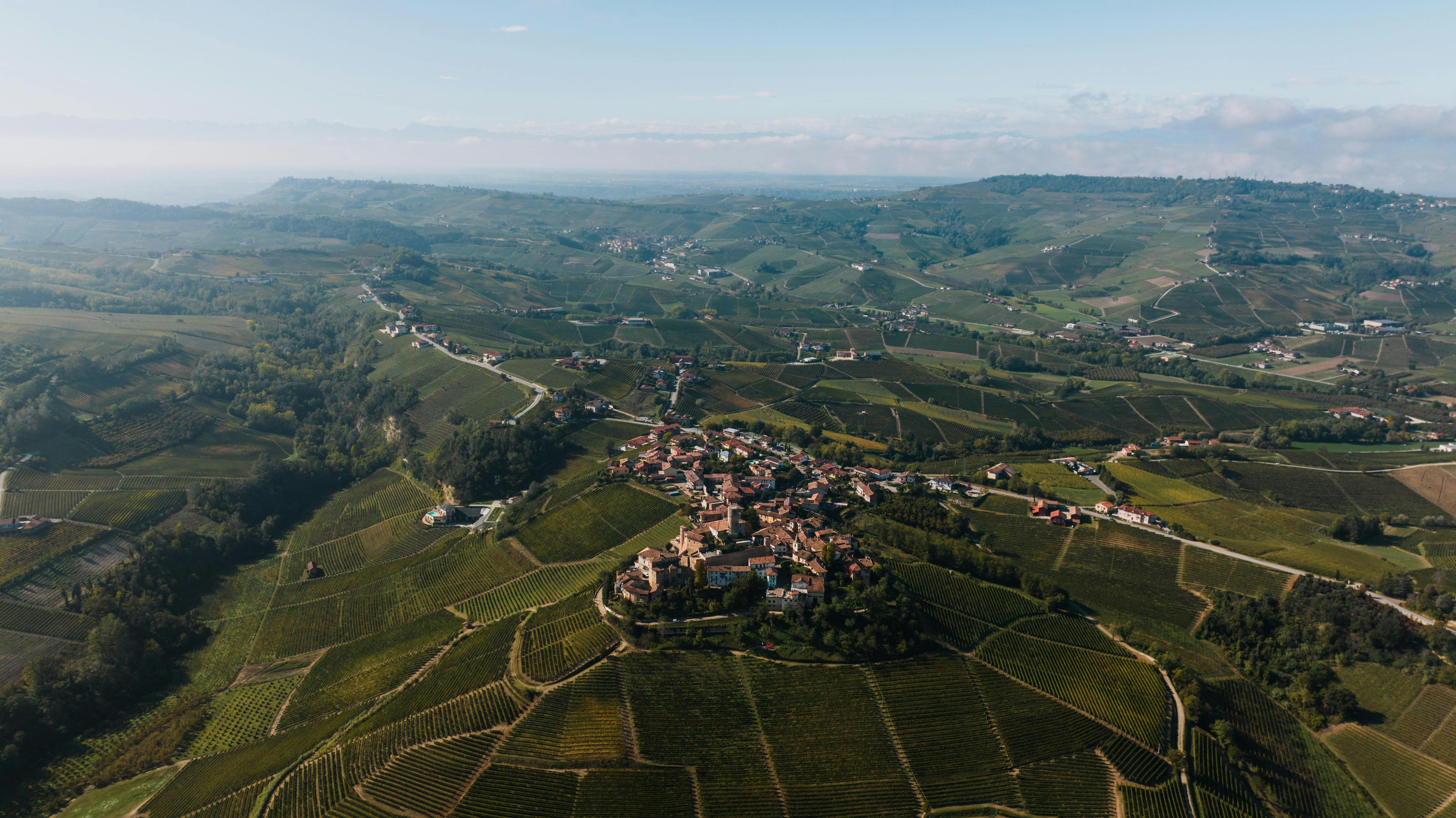
A first trip to Italy gets you the landmarks. A return trip gets you the country. It happens when you stop treating Italy as a list of cities. In Piedmont, you can leave the flooded rice fields around Vercelli and reach the foothills of the Alps in under an hour or two. The food changes on the way, from risotto and panissa to egg-yolk tajarin and agnolotti del plin. The dialect shifts with it.
Most travelers who’ve completed the classic triangle (Rome, Florence, Venice) sometimes come home with a nagging sense that they moved too fast. They’re right. The Frecciarossa covers Rome to Florence in about 90 minutes, which makes the journey feel easy but also flattens the distance between two fundamentally different places. On a return trip, that speed becomes a liability. You don’t need to connect dots anymore. You need to sit still.
A 7-day or 10-day trip focused on one region gives you time to eat at the same trattoria twice, to walk the same street in morning light and evening shadow, to have a conversation with a shopkeeper that goes beyond “quanto costa.” This is where Italy starts.
Five Regions Worth Building a Full Trip Around
Not every region supports a week of travel for someone who’s already seen the highlights. Some are too small. Some lack infrastructure for comfortable independent travel. These five reward depth, and each offers a genuinely different version of Italy.
Piedmont
Turin is the anchor, a city most Americans skip entirely. That’s a mistake. The Egyptian Museum holds one of the largest collections of Egyptian antiquities outside Cairo, with more than 36,000 objects. The Langhe hills, about 90 minutes south, produce Barolo and Barbaresco. The town of Alba hosts its white truffle fair from early October to early December, with the main market on weekends. A 10-day Italy itinerary here could include Turin (3 nights), the Langhe (3 nights), and a couple of days around Lake Orta, which is smaller and quieter than Como.
Piedmont’s food is heavier and richer than what most people associate with Italian cooking. Butter often takes the place of olive oil, especially on tajarin, the thin egg-yolk pasta from the Langhe. You’ll also find vitello tonnato, cold veal under a creamy tuna sauce, and bagna cauda, the warm garlic and anchovy dip for vegetables, from autumn into winter. If food and wine matter to you, this region is probably the best Italy itinerary you haven’t considered.
Puglia
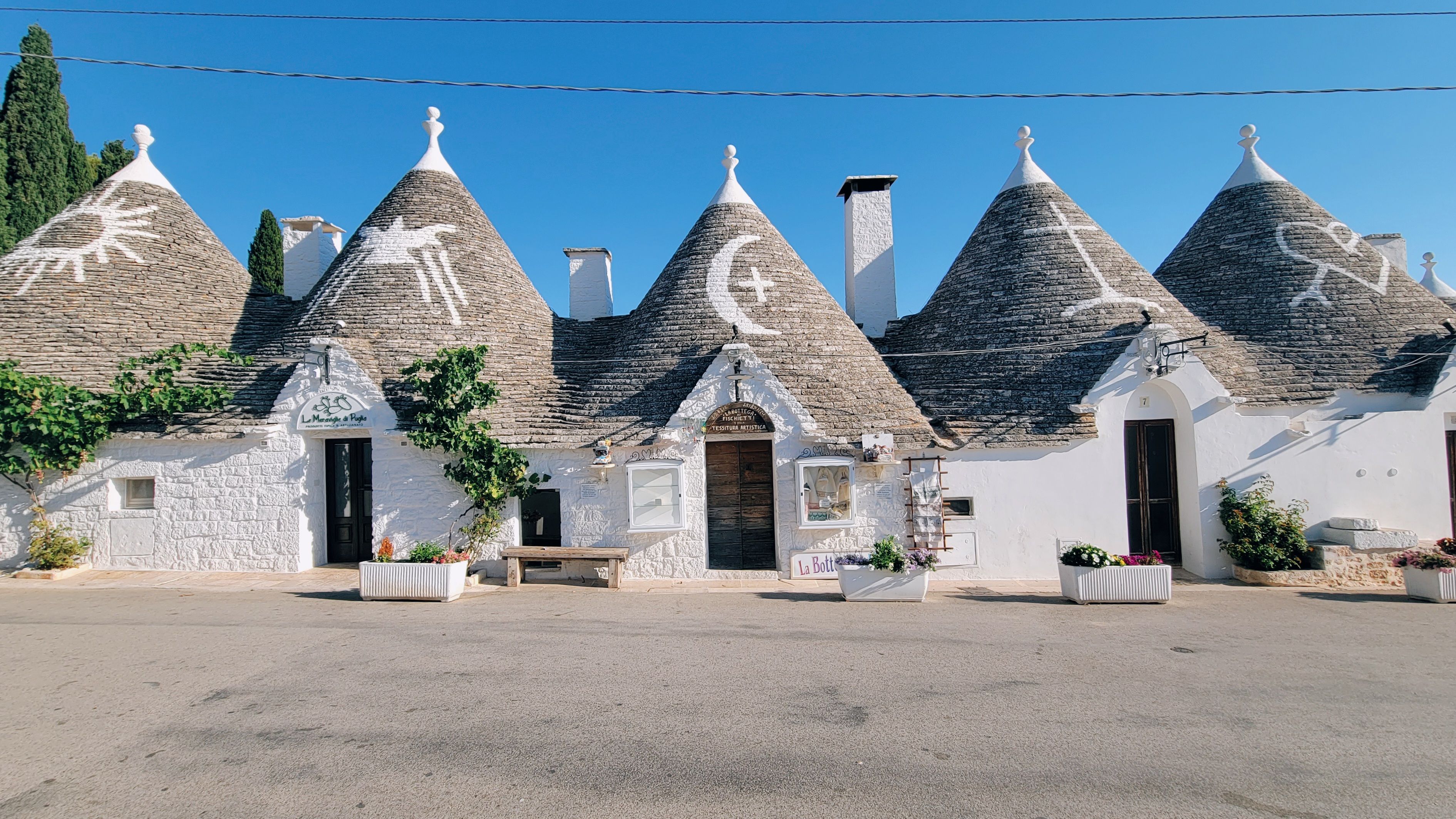
The heel of the boot. Lecce is sometimes called the Florence of the South, which is fair and misleading. The Baroque architecture is extraordinary, but the pace is entirely different. Slower. Hotter. More generous with time. The trulli houses in Alberobello are a UNESCO World Heritage Site, inscribed in 1996. Polignano a Mare and Otranto sit about 155 to 165 km apart by road, with limestone cliffs and clear water along stretches of the coast between them.
A 5-day Italy itinerary in Puglia works if you pick one half of the region, base yourself in a central spot like Ostuni, and drive. A week is better, since it gives you time for both the Valle d’Itria and the Salento. The small-group tours and local food experiences here tend to feel less staged than in Tuscany, though that’s changing as more international visitors arrive.
Sicily
Sicily is not a region you add to another trip. It’s a trip. The island is roughly the size of Vermont, and driving from Palermo to Syracuse takes about 3 hours without stops. Most of the temples in the Valley of the Temples near Agrigento date to the 5th century BC. Mount Etna, at about 3,400 meters after its 2024 eruptions, is Europe’s tallest active volcano. The street food in Palermo (arancine, panelle, sfincione) is a category unto itself.
An Italy travel itinerary of 7 days in Sicily could cover the western half (Palermo, Trapani, Marsala, Agrigento) or the eastern half (Catania, Taormina, Syracuse, Ragusa). Trying to do both in a week means spending too many hours in a car. Pick a side.
Emilia-Romagna
Bologna is the starting point, and honestly, it could be the entire trip. The food is the best in Italy. Parmigiano-Reggiano, prosciutto di Parma, balsamic vinegar from Modena, tortellini in brodo. The region runs along the Via Emilia, a Roman road that connects Piacenza to Rimini over about 260 kilometers. Ravenna, about 75 minutes east of Bologna by direct train, holds mosaics from the 5th and 6th centuries that are among the finest in Europe.

The Marche
This is the one most people haven’t heard of, and that’s exactly the point. Urbino, a Renaissance hill town in the Marche, has a palace built largely under Luciano Laurana for Duke Federico da Montefeltro. The Adriatic coast is about 40 minutes away. Ascoli Piceno, in the southern part of the region, has one of Italy’s most beautiful piazzas (Piazza del Popolo) and serves olive ascolane, stuffed fried olives, that you’ll think about for months.
The Marche works for travelers who want the Tuscan landscape without the Tuscan crowds. It’s a genuine return trip to Italy for people who feel they’ve outgrown the obvious.
How to Structure a 7-to-10-Day Regional Italy Itinerary
The temptation on any Italy trip is to add one more stop. Resist it. Every additional destination costs you roughly half a day in packing, transit, check-in, and reorientation. That’s a meal you won’t have, a walk you won’t take, and a conversation that won’t happen.
For a 7-day regional trip, two bases work well. For 10 days, three at most. The structure looks like this:
Duration | Bases | Rhythm |
|---|---|---|
5-day Italy itinerary | 1 base + 2 day trips | Deep immersion, minimal transit |
Italy travel itinerary 7 days | 2 bases + 1–2 day trips | Balanced depth and movement |
Perfect 10-day Italy itinerary | 2–3 bases + day trips | Full regional coverage with breathing room |
Build in at least one day with nothing scheduled. The best time to visit Italy for travel is whenever you’re willing to leave a gap in the plan. That’s when you find the restaurant a local mentions offhand, or the church nobody told you about, or the view from a road you took by accident.

A travel advisor who knows the specific region can calibrate pacing in ways that online itinerary builders can’t. They know which towns justify an overnight and which are better as a long lunch stop. They know the hotel that’s 10 minutes from the train station versus the one that requires a €40 taxi.
Timing and Seasonality for Regional Travel
The best time to visit Italy for travel depends entirely on which region you’re visiting. This is something the classic Rome-Florence-Venice trip obscures, because those cities are year-round destinations. Regions behave differently.
-
Piedmont: October through early December for white truffle season in Alba. Spring (April to May) for wildflowers in the Langhe. Summer in Turin averages around 29°C in July, with hotter spells, but the hills stay cooler.
-
Puglia: Late May through June, or September through mid-October. July and August can bring 38°C or more, plus heavy domestic tourism along the coast.
-
Sicily: April to early June is ideal. October works well too. August is very hot and extremely crowded, particularly in Taormina and the beach towns
-
Emilia-Romagna: Year-round for food, but autumn is the sweet spot. Parmigiano-Reggiano dairies take visitors all year (go early in the morning), and autumn brings an open-dairies weekend.
-
The Marche: June and September. The beaches empty after the first week of September, and the hill towns stay warm through October.

What Changes When You’ve Already Been to the Top Places to Visit in Italy
On your second or third trip to Italy, you stop needing permission to skip the famous things. You don’t have to see the Sistine Chapel again. You don’t owe Venice another visit, and what replaces it is something better: curiosity shaped by experience.
Repeat visitors tend to care more about the texture of daily life in a place. The morning market. The sound of a town at 2 p.m. when everything closes. The specific weight of bread in one province versus another. This is not something you can get from a 3-night city stop with a private guide and a skip-the-line ticket.
A return trip to Italy built around a single region lets you travel the way Italians themselves do. They don’t tour their own country. They go somewhere, settle in, eat what’s local, and pay attention. That’s when Italy becomes genuinely interesting.

If you’re thinking about what to see in Italy in one week on a return visit, the answer is less geography, more attention. Pick the region that matches your interests. Food people go to Emilia-Romagna or Piedmont. Beach and history people go to Puglia or Sicily. Art and solitude people go to the Marche.
Solay Travel’s vacation planning works well for this kind of trip because the itinerary isn’t pulled from a template. It’s built around a single region, your pace, and the things you actually want to do when you get there.
Practical Logistics for Regional Italy Travel
Getting around within a region is different from hopping between major cities. The high-speed rail network connects the big hubs, but regional travel usually involves some combination of local trains, rental cars, and the occasional bus.
-
Rental cars are close to essential in Puglia, the western half of Sicily, the Langhe, and the Marche. Roads are generally good. Parking in historic centers is restricted (ZTL zones), and the fines arrive by mail months later. Your hotel can usually advise on where to park.
-
Regional trains work well in Emilia-Romagna, where the Via Emilia corridor keeps cities close together. Bologna to Modena is about 25 minutes. Bologna to Parma is about 75 minutes by direct train. Bologna to Ravenna is about 80 minutes.
-
Ferries connect mainland ports to Sicily (Messina to Villa San Giovanni is about 20 minutes) and to smaller islands like the Aeolians.
Book the right hotel in the right location and half your logistics solve themselves. A well-placed agriturismo in the Langhe means you’re 15 minutes from three different wine towns. A palazzo hotel in Lecce puts you on foot for everything that matters.

One more thing. If you’re planning an Italy travel itinerary of 7 days or longer in a single region, consider flying into one airport and out of another. In Puglia, for example, you can fly into Bari, drive south through the Valle d’Itria, and fly home from Brindisi. It saves you hours of backtracking, though most rental companies charge a one-way drop fee, so check that when you book.
A Single Region Is Where Italy Gets Specific
Italy rewards the traveler who narrows their focus. A first trip gives you the country’s greatest hits, and those are worth having. But the return trip, the one where you pick Piedmont over “Italy” or choose the Marche instead of Tuscany, is where the country stops being a postcard and starts being a place you know.
The top places to visit in Italy are the ones where you can spend a week and still feel like you’re only beginning to understand the local rhythm, the food logic, and the afternoon light on a particular stone wall. That’s the trip worth planning.
Planning your first Italy trip is a different exercise entirely, and Solay Travel has written about that too. But if you’ve already been and you’re ready to go back with more intention and less itinerary, a conversation with a Solay advisor is where it starts.

Frequently Asked Questions
How does a Second Trip to Italy Around a Single Region change Italy travel itineraries?
A return trip to Italy around a single region makes Italy travel itineraries slower, deeper, and more focused. Instead of crossing famous cities, you stay put long enough to notice local food, daily rhythms, and regional differences in language, landscape, and pace.
What is the best Italy travel itinerary for a second trip?
The best Italy travel itinerary for a second trip is one that narrows to a single region and limits transit. Piedmont, Puglia, Sicily, Emilia-Romagna, and the Marche all reward that approach because each offers a distinct version of Italy with enough depth for a week or more.
What is the perfect 10-day Italy itinerary for a regional return trip?
A perfect 10-day Italy itinerary usually uses two to three bases and adds day trips rather than constant relocation. In Piedmont, for example, Turin, the Langhe, and Lake Orta create a strong regional arc with enough time for food, wine, and slower exploration.
What to see in Italy in one week on a return visit?
What to see in Italy in one week depends on your interests, but the strongest choices are food-focused Emilia-Romagna or Piedmont, beach-and-history Puglia or Sicily, and the Marche for art and quieter landscapes. The best Italy travel itineraries for one week keep the region narrow.
What is the best time to visit Italy for travel by region?
The best time to visit Italy for travel depends on the region. Piedmont is strongest from October through early December, Puglia in late spring or early fall, Sicily from April to early June or in October, Emilia-Romagna in autumn, and the Marche in June or September.
Is a 5-day Italy itinerary enough for Puglia or Sicily?
A 5-day Italy itinerary can work in Puglia if you base yourself in one area and drive, but Sicily needs more selectivity. In Sicily, a week is better spent on either the western half or the eastern half, not both, to avoid too much time in the car.
Raoul Didisheim
Last updated at: November 13, 2026
 Powered by TypeHero